1,2-Benzisothiazolin-3-One
Synonyms:Benzisothiazolin-3-one;2-Benzisothiazol-3-ol;Benzisothiazoline-3(2H)-one;1,2-benzothiazol-3(2H)-one;1, 2-phenylpropylisothiazoline-3-ketone
CAS No.:2634-33-5
EINECS No.:220-120-9
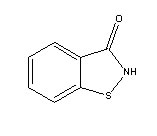
Molecular Formula:C7H5NOS
Molecular Weight: 151.1857
Structural Formula:
Standard:
|
Items
|
Specifications
|
|
Appearance
|
Light yellow powder
|
|
Assay (HPLC)
|
≥99.0%
|
|
Melting point
|
155~158℃
|
|
Water
|
≤15.0%
|
|
Chloride
|
≤0.6%
|
Properties:BIT is a white or slightly yellowish powder at room temperature, with almost no odor. Melting point: 155-158°C, boiling point: 360°C, density: 1.217 g/cm³. It is slightly soluble in water, easily soluble in organic solvents such as methanol, ethanol, acetone, dichloromethane, dimethyl sulfoxide, and DMF, and slightly soluble in benzene and toluene. Its sodium salt and ammonium salt are easily soluble in water. This substance has excellent thermal stability, with a decomposition temperature greater than 300°C. It is stable within the pH range of 2.0-12.0 (especially completely stable at pH 4-9), moderately resistant to oxidation-reduction environments. It is not prone to hydrolysis at room temperature and only accelerates decomposition under high-temperature, strong acid, and strong base conditions.
Applications:1,2-Benzisothiazolin-3-one (abbreviated as BIT) is a high-efficiency, broad-spectrum industrial bactericidal preservative. It achieves irreversible bactericidal effects by inhibiting microbial enzyme systems, with advantages such as low toxicity, high temperature resistance, acid-alkali resistance, and easy biodegradability. Widely used in various industrial fields, it addresses issues such as mold growth, deterioration, demulsification, and odor caused by microbial proliferation.
- Latex paints and water-based inks: Adding 0.05%-0.2% prevents wet film mildew and dry film yellowing. Stable in alkaline systems (pH 10-12), it improves coating durability and extends outdoor service life by 40%.
- Water-based adhesives and pigment pastes: Inhibits Gram-negative bacteria such as Pseudomonas, preventing product odor, stratification, and viscosity reduction, especially suitable for high-temperature environments.
- Pulp preservation: Adding 0.1%-0.15% inhibits microbial proliferation, preventing paper breaks caused by pulp spoilage. The pulp spoilage rate is reduced by 92%, and paper strength is increased by 15%.
- Paper coatings: Endows paper with antibacterial and antifungal properties, suitable for food packaging, wallpaper, and other fields.
- Cutting fluids and grinding fluids: Adding 0.2%-0.3% prevents pH drop and equipment corrosion caused by bacterial proliferation. The replacement cycle of cutting fluids is extended from 3 months to 8 months, reducing annual maintenance costs per equipment by 23,000 RMB.
- Hydraulic oils and lubricating oils: Inhibits oil deterioration and viscosity changes caused by microorganisms, extending service life.
- Industrial circulating water: Controls slime formation, prevents pipeline blockage and equipment corrosion, with a kill rate of >99.9% against sulfate-reducing bacteria and iron bacteria.
- PVC products: Shower curtains, wallpaper, flooring, conveyor belts, shoe soles, etc. Adding 0.1%-0.3% prevents mold erosion and improves anti-aging performance.
- Polyurethane materials: Cushions, gaskets, insulation materials, providing long-term antibacterial and antifungal functions, suitable for humid environments.
- Silicone and polyolefins: Wire sheaths, automotive parts (canopies, door seals), preventing microbial adhesion and corrosion, extending service life.
- Marine antifouling coatings: Compound with cuprous oxide, etc., to inhibit the attachment of barnacles, diatoms, and other marine organisms, serving as an environmentally friendly alternative to traditional organotin antifouling agents.
- Marine facility protection: Offshore platforms, fishing nets, etc., preventing biofilm formation and corrosion, maintaining >90% activity in high-salt environments (15% NaCl).
- Leather processing: Adding 0.1%-0.2% in tanning and retanning processes prevents surface spots and strength reduction caused by mold. The leather antifungal grade reaches Level 1 (ASTM G21), and the yield rate is increased by 18%.
- Textile printing and dyeing: Preservative for printing pastes, fabric coatings (ski suits, raincoats), preventing discoloration and deterioration caused by microorganisms, suitable for antibacterial textile production.
- Wood preservation treatment: Adding 0.2%-0.5% prevents mold and termite erosion, extending service life, especially suitable for outdoor wood structures.
- Wood-based panel production: Added in plywood and fiberboard to prevent mold and deformation, improving product quality.
8. Other Industrial Applications
- Oilfield water injection systems: Adding 50ppm controls pipeline corrosion caused by sulfate-reducing bacteria. The pump inspection cycle of water injection wells is extended from 6 months to 18 months, increasing annual crude oil production by 12,000 tons.
- Cosmetics and personal care: Shampoos, conditioners, creams, etc., replacing traditional formaldehyde-containing preservatives, complying with EU Cosmetics Regulation (EC No 1223/2009).
- Pharmaceutical industry: Pharmaceutical intermediates, disinfectants, medical device disinfection, with special effects against drug-resistant bacteria.
- Electronics industry: Electronic cleaning agents, photoresists, preventing product defects caused by microbial contamination.
- Building materials: Water-based sealants, caulks, preventing mold and cracking, improving durability.
- Agricultural field: As a new broad-spectrum fungicide, it controls fungal and bacterial diseases of cereal crops, vegetables, and fruits, safe for plants.
- Biological products: Cell culture media, vaccine protection solutions, preventing microbial contamination, especially suitable for systems after high-temperature sterilization.
Summary of Application Advantages
With the core advantages of "multiple protection + extreme environment adaptability", BIT has become the preferred product for modern industrial antiseptic systems:
- Broad-spectrum bactericidal activity: Simultaneously inhibits bacteria (including spores), fungi, yeasts, and algae, with special effects against Pseudomonas.
- Environmental friendliness: Low toxicity, biodegradable, complying with international certification standards such as REACH, FDA, and FSC, replacing traditional chlorine-containing and phenol-containing preservatives.
- Stable performance: Maintains activity under extreme conditions of pH 2-12, temperature -20℃~120℃, and salinity 15%, suitable for various industrial environments.
- Economy: When compounded with other fungicides, the dosage can be reduced by 30%-50% through synergistic effects, improving cost-effectiveness.
Application Recommendations
According to different application scenarios, the recommended addition concentration is 0.05%-0.5%. The dosage can be appropriately increased in alkaline and high-temperature environments, and better results are achieved when compounded with isothiazolinone, quaternary ammonium salts, etc.
Storage:Keep in a well-closed container. Store in a cool, dry and well-ventilated warehouse.
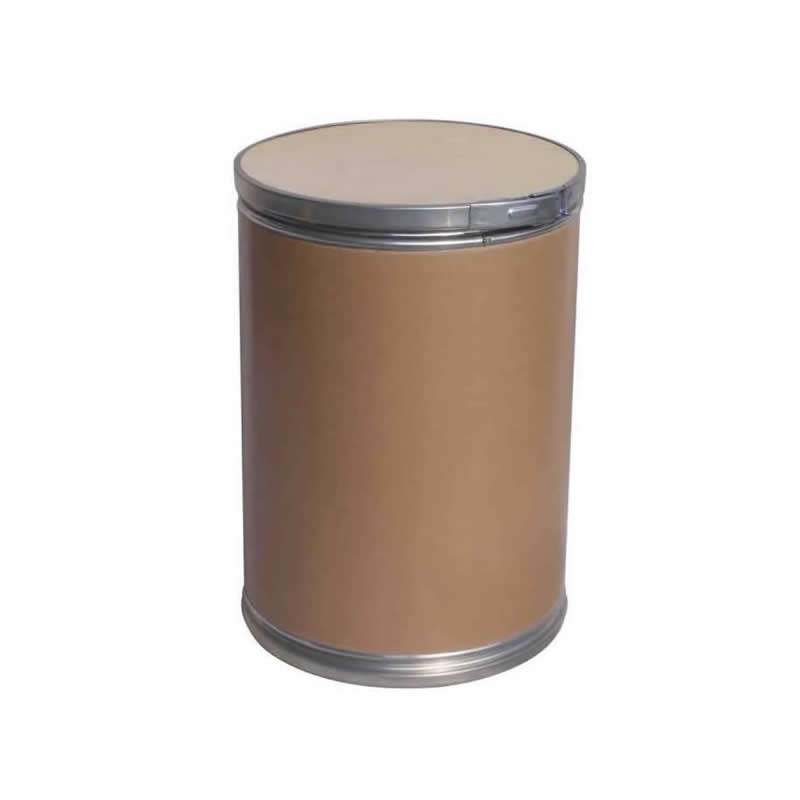
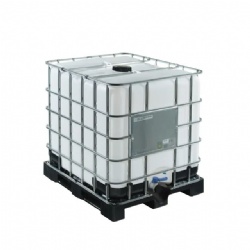
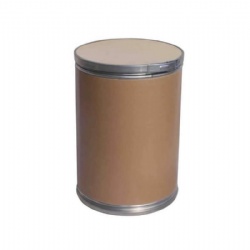
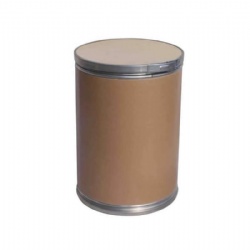
Packing:25kg cardboard drum