 CHINESE
 ENGLISH


Home > Propylene carbonate (PC)

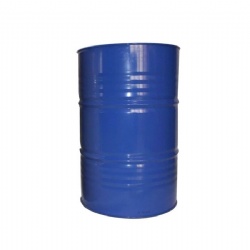
Propylene carbonate (PC)
Propylene carbonate(PC)
Synonyms:4-Methyl-1,3-dioxol-2-one; Propylene glycol carbonate; Carbonic acid propylene glycol ester
CAS No.:108-32-7
EINECS No.:203-572-1
Molecular Formula:
Molecular Weight:102.0898
Structure Formula:
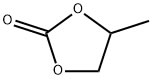
Standard:
|
Grade Items |
Specifications |
|
|
Battery Grade |
Industry Grade |
|
|
Appearance |
Colorless transparent liquid |
Colorless transparent liquid |
|
Color(APHA) |
≤10 |
≤10 |
|
Assay(GC) |
≥99.99% |
≥99.7% |
|
Water(K.F.) |
≤0.005% |
≤0.01% |
| Propylene oxide |
≤0.01% |
≤0.01% |
| Propylene glycol | ≤0.01% | ≤0.01% |
Properties:It is a colorless odorless, flammable liquid. Melting point: -49.2℃, boiling point 238.4℃, relative density: 1.2047, refractive index: 1.4218, flash point: 128℃. This product is miscible with ether, acetone, benzene, chloroform, ethyl acetate, etc., soluble in water and carbon tetrachloride.
Uses:Propylene carbonate is a polar solvent widely used in various fields. It can serve as a plasticizer, spinning solvent, dispersant for water-soluble dyes and plastics, oily solvent, and an extractant for olefins and aromatics. In battery electrolytes, propylene carbonate exhibits excellent resistance to light, heat, and chemical changes. It is also important in geological ore dressing and analytical chemistry. Additionally, it can replace phenolic resin as a wood adhesive and is used in the synthesis of dimethyl carbonate. Propylene carbonate is also used as a gas chromatography stationary liquid, solvent for polymer synthesis, and solvent for UV-cured coatings and inks. Its high solubility makes it an important solvent for removing carbon dioxide from petroleum gas and cracked gas.
Storage:Keep it in a well-closed container and store in a cool, dry and well ventilated warehouse. Keep away from fire and heat source, and store separately from oxidants, reducing agents and acids.
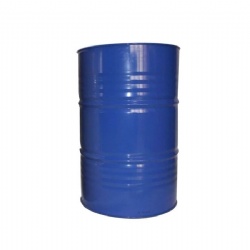
Packing:250kg paint drum or galvanized iron drum, IBC drum, or ISO Tank.
Products Category
Latest News
Contact Us
Tel: +86-561-3306168 / 3308168
Fax: +86-561-3308168
Mobile: 13905616951
E-mail: [email protected]
Add: No.20, Wutong Middle Road, Longhu Industrial Park, Economic Development Zone, Huaibei, Anhui, China.


 Mail inquiry