Diethyl Carbonate
Synonyms:DEC, Diethyl Carbonate anhydrous
CAS No.:105-58-8
EINECS No.:203-311-1
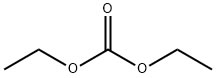
Molecular Formula:C5H10O3
Molecular Weight:118.13
Structure Formula:
Standard:
|
Grade
Items
|
Specifications
|
|
Battery Grade
|
Industry Grade
|
|
Appearance
|
Colorless transparent liquid
|
Colorless transparent liquid
|
|
Color(APHA)
|
≤10
|
≤10
|
|
Assay(GC)
|
≥99.99%
|
≥99.50%
|
|
Water(K.F.)
|
≤0.005%
|
≤0.05%
|
|
Methanol & Ethanol
|
≤0.01%
|
≤0.05%
|
Properties:Diethyl Carbonate is a colorless transparent liquid at room temperature, with slight pungent odor. Melting point: -43℃, Boiling point: 126.8℃, Flash point: 33℃, Density: 0.975g/ml. Insoluble in water, soluble in alcohol, ketone, ester and other most organic solvents.
Applications:As an important low-toxic and environmentally friendly organic chemical raw material, Diethyl Carbonate (DEC, CAS 105-58-8) possesses dual properties of solvent and synthetic intermediate, with wide applications across electronics, pharmaceuticals, pesticides and other fields.
-
Electronics Field: It is a key component of lithium-ion battery electrolytes, often blended with ethylene carbonate (EC), dimethyl carbonate (DMC) and other solvents. On one hand, it improves the low-temperature performance and electrochemical stability of electrolytes; on the other hand, it participates in the formation of the SEI film, which is crucial for enhancing the cycle life of lithium batteries. It is widely used in the production of lithium batteries for new energy vehicles (NEVs) and portable electronic devices. Additionally, in the instrumentation industry, it can be used to prepare special paints for sealing and fixing cathode tubes of electron tubes, as well as a cleaning agent for electronic components and printed circuit boards (PCBs).
-
Pharmaceutical Field: It serves as a core intermediate for the synthesis of various drugs, such as the sedative phenobarbital, and is also involved in the preparation of antibiotics and antiviral drugs. Moreover, in pharmaceutical production, it can be used for the extraction and purification of pharmaceutical intermediates like antibiotics and hormones, meeting the strict standards of the pharmaceutical industry for raw materials due to its low toxicity.
-
Pesticide Field: It plays a prominent role in pesticide synthesis. It is an important raw material for the preparation of pyrethroid-based high-efficiency and low-toxicity insecticides, ensuring the efficacy and stability of insecticides. It also acts as a solvent or carrier in pesticide production to improve the solubility of active ingredients, and can be used to synthesize plant growth regulators to enhance crop yields.
-
Coatings, Plastics & Other Chemical Fields: As an excellent solvent, it is used in the production of polyurethane and epoxy resin-based coatings and adhesives. It can act as a diluent to reduce VOC emissions while improving the adhesion and durability of coatings, meeting the coating needs of industries such as construction and automotive manufacturing. Meanwhile, it is a solvent for nitrocellulose, cellulose ethers, and various natural and synthetic resins. It also serves as a plasticizer for polyvinyl chloride (PVC) and other plastics, enhancing the flexibility and transparency of plastics for the production of various high-performance plastic products.
-
Organic Synthesis Field: As a commonly used carbonylation and alkylation reagent, it features mild reaction conditions and high yield. For example, it can react with amines to form carbamates, and synthesize ketones, tertiary alcohols, oxazolidinones and other heterocyclic compounds. Under appropriate catalysts, it can also realize the alkylation or allylation of β-keto esters, malonates and other substances, making it a flexible and efficient reaction carrier in organic synthesis.
-
Fragrance & Other Fields: In the fragrance industry, it can be used as a solvent for special fragrances and their intermediates, assisting in the synthesis or purification of fragrances such as citral, and providing support for the flavor formulation of food and daily chemical products. Additionally, it can replace traditional toxic solvents like chloroform in chemical reactions such as coupling reactions and esterification reactions, complying with the development needs of environmentally friendly chemicals.
Storage:Keep it in a well-closed container and store in a cool, dry and well ventilated warehouse. Keep away from fire and heat source, and store separately from oxidants, reducing agents and acids.
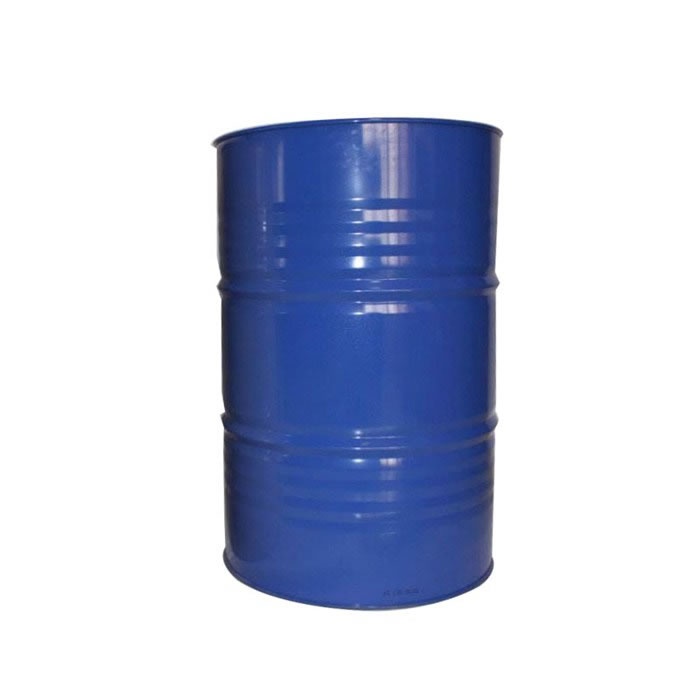
Packing:200kg stainless steel drum or galvanized iron drum, 1200kg IBC drum, or ISO Tank.